Naughty Boy Font for Creative Design
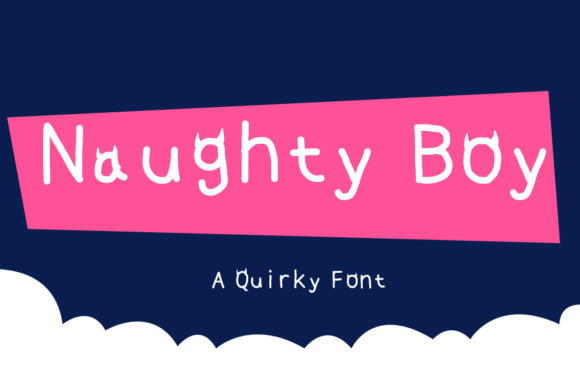
Naughty Boy is a display font that brings a playful and youthful energy to any design project. Its unique look makes it ideal for editorial work where visual appeal and personality matter most. Whether you're designing a magazine cover or crafting a social media graphic, Naughty Boy adds a fresh and dynamic touch that catches the eye.
Naughty Boy for Blog Headers and Magazine Covers
Naughty Boy is a powerful choice for blog headers and magazine covers that need a bold, attention-grabbing presence. Its stylized letterforms add character without overwhelming the layout, making it perfect for headlines that stand out. When used in combination with a clean serif or sans serif font, Naughty Boy enhances visual hierarchy while maintaining readability.
For example, a lifestyle blog could use Naughty Boy for its main title, paired with a readable serif font for body text. This contrast creates a balanced yet engaging reading experience. Similarly, a digital magazine might feature Naughty Boy on its cover to reflect a fun and energetic brand identity.
Naughty Boy for Ebook Titles and Newsletter Graphics
When creating an ebook, the title is often the first thing a reader sees. Naughty Boy can make your ebook stand out on platforms like Amazon or Gumroad by adding a distinctive visual flair. Its playful style works well for children's books, recipe guides, or creative writing collections where a sense of joy and creativity is essential.
Newsletters also benefit from Naughty Boy’s charm. Use it for subject lines, section headers, or pull quotes to create a more engaging and visually appealing layout. Pairing it with a simple sans serif font ensures that the message remains clear while the font adds a personal and artistic touch.
Naughty Boy for Quote Graphics and Section Headings
Quote graphics are a popular tool for social media, blogs, and printables. Naughty Boy elevates these visuals by adding a whimsical and expressive tone. Whether you’re sharing motivational quotes, book recommendations, or daily affirmations, the font’s unique style helps convey emotion and personality effectively.
Section headings in articles, guides, or worksheets can also benefit from Naughty Boy. It adds visual interest without distracting readers from the content. For instance, a printable planner might use Naughty Boy for chapter titles, while a coaching workbook could incorporate it into key takeaways or action steps.
Naughty Boy for Social Media Graphics and Web Design
Social media graphics demand fonts that are both eye-catching and easy to read at small sizes. Naughty Boy fits this need perfectly, offering a stylish yet legible option for captions, banners, and promotional posts. Its playful aesthetic aligns well with brands targeting younger audiences or those focused on creativity and fun.
In web design, Naughty Boy can be used for site headers, call-to-action buttons, or hero sections. When paired with a neutral background, it adds a sense of energy and modernity. However, it’s best used sparingly to avoid cluttering the design. A clean sans serif font for body text complements Naughty Boy’s uniqueness while ensuring overall readability.
Naughty Boy for Printables and Digital Products
Printables such as worksheets, planners, and templates often require fonts that are both attractive and functional. Naughty Boy provides a stylish alternative for titles and decorative elements without compromising clarity. It works well for printable art, greeting cards, or DIY projects where a personalized touch is desired.
Digital products like templates, course materials, or downloadable guides can also benefit from Naughty Boy. Its versatility allows it to be used in headers, labels, or branding elements. When designing for commercial use, ensure that the font’s licensing terms allow for redistribution or integration into client projects.
Naughty Boy for Brand Identity and Content Branding
Brand identity relies heavily on consistent visual elements, and typography plays a key role in this. Naughty Boy can serve as a signature font for a brand that wants to communicate a sense of fun, creativity, or youthfulness. It’s especially effective for startups, creative agencies, or content creators looking to establish a memorable and approachable image.
Content branding, such as for newsletters or online courses, can use Naughty Boy to reinforce a cohesive visual language. By incorporating it into logos, headers, and promotional materials, brands can create a unified look that resonates with their audience. Pairing it with a complementary font ensures that the design remains professional and polished.
Naughty Boy for Editorial Layouts and Visual Hierarchy
Editorial layouts require careful consideration of visual hierarchy to guide readers through the content. Naughty Boy can be used strategically to highlight key sections, such as subheadings, pull quotes, or featured stories. Its distinct style draws attention without overpowering the rest of the design.
For example, a digital magazine might use Naughty Boy for article titles and section dividers, while a blog could apply it to featured posts or sidebars. In both cases, the font contributes to a dynamic and engaging layout that keeps readers interested and informed.